
If you’re juggling multiple high-interest debts like credit cards or personal loans, a loan for consolidating debt might be the smart move to simplify your payments and potentially save money. This type of loan for consolidating debt combines your outstanding balances into one single payment, often at a lower interest rate, making it easier to manage your budget. In fact, as we navigate 2025’s economic landscape with stabilizing rates post-Fed cuts, opting for a loan for consolidating debt has helped countless individuals regain control over their finances without the stress of multiple due dates.
I’ve seen friends and family struggle with debt overload, feeling like they’re drowning in statements and late fees—it’s a common story, but one that doesn’t have to end badly. Think about it: Instead of paying 20%+ on credit cards, you could roll everything into one fixed-rate loan, freeing up mental space and cash for things that matter, like family vacations or emergency savings. This guide breaks it all down in plain language, drawing from trusted sources to help you decide if this path fits your situation. We’ll explore how it works, pros and cons, qualification tips, and top options for 2025, where average APRs range from 6.5% to 35.99% based on credit profiles. By the end, you’ll have the tools to make an informed choice, potentially shaving years off your debt payoff while building a healthier financial future.
What Is a Loan for Consolidating Debt?
A loan for consolidating debt is essentially a personal loan used to pay off multiple existing debts, merging them into one manageable obligation with a single monthly payment. This approach is particularly useful for high-interest debts like credit cards, medical bills, or payday loans, where combining them can reduce overall costs. Lenders offer these as unsecured loans, meaning no collateral is required, though your credit score plays a big role in approval and terms.
Delving deeper into the body of what makes a loan for consolidating debt appealing, it’s all about streamlining your financial life—imagine replacing five or six bills with just one, often at a fixed rate that shields you from market fluctuations. According to recent analyses, borrowers with good credit (670-739 FICO) might secure rates around 19.25%, while those with excellent scores (800+) could see 11.25%. This isn’t a magic eraser for debt; it’s a tool to reorganize it more efficiently. For example, if you owe $15,000 across three cards at 22% average interest, consolidating at 12% could save thousands in interest over three years, per online calculators. However, it’s not for everyone—those with poor credit might face higher rates, defeating the purpose. In 2025, with lenders like Discover offering up to $40,000 at 7.99%-24.99% APR, accessibility has improved, but always factor in origination fees (0.5%-6%) that get deducted upfront. Realistically, this works best if your debts are under control and you’re committed to no new spending. Think of it as hitting the reset button on your repayment strategy, giving you breathing room to focus on long-term goals like retirement savings or home improvements. Lenders evaluate your debt-to-income ratio (ideally under 36%), so preparing by paying down small balances first can boost approval odds. Overall, it’s a practical step toward financial freedom, but success hinges on discipline and choosing the right lender.
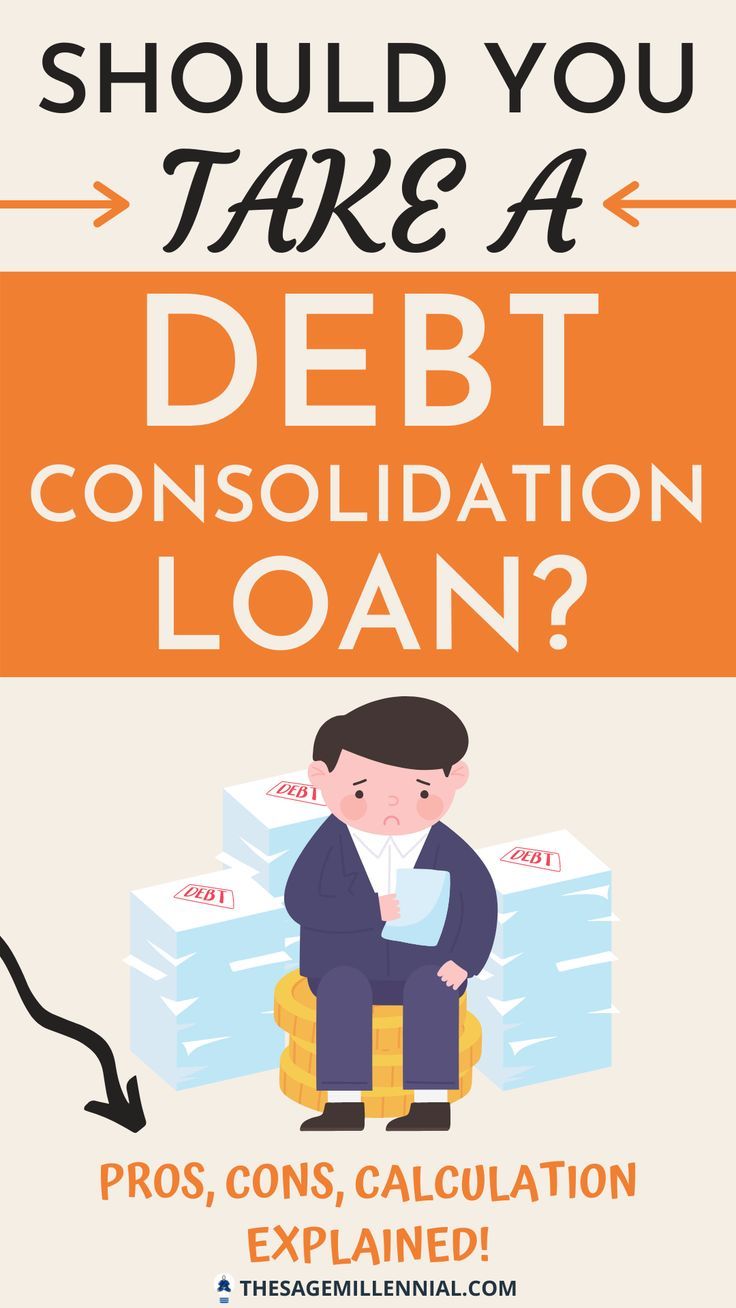
How Does a Loan for Consolidating Debt Work Step by Step?
Understanding the mechanics of a loan for consolidating debt starts with the basics: You apply for a new loan, use the funds to pay off old debts, and then repay the new one over a set term, typically 2-7 years. The lender disburses money directly to your creditors in many cases, ensuring debts are cleared without you handling the cash. This process can take days to weeks, depending on the provider.
In the body of the operation, a loan for consolidating debt functions by replacing variable, high-rate debts with a fixed-rate alternative, potentially lowering your monthly outlay. For instance, if your current payments total $800 across debts, consolidation might drop it to $500 at a better rate, freeing $300 for savings or extras. Step one: Assess your debts—list balances, rates, and minimums. Step two: Check your credit; scores above 670 open doors to prime offers. Step three: Shop lenders—use prequalification to see rates without hard inquiries. Once approved, funds arrive quickly (same-day for some like LendingPoint), and you start repayments via auto-draft for ease. A key perk: No more juggling due dates, reducing late fee risks. But watch for pitfalls like extending terms, which might increase total interest paid despite lower rates. In 2025, with tools like debt calculators from Wells Fargo, you can simulate scenarios—plug in $20,000 at 15% over five years to see savings. Personal stories abound: A teacher I know consolidated $25,000 in student and card debt, cutting her interest from 18% to 9%, and paid off two years early. It’s straightforward, but requires commitment—miss payments, and your credit suffers. This method empowers you to take charge, turning chaotic finances into a clear path forward.
Also read: Online Business Loans: How to Get Quick Funding in 2026
Benefits of Choosing a Loan for Consolidating Debt
Opting for a loan for consolidating debt brings several advantages, especially in simplifying your repayment journey and potentially reducing costs. Lower interest rates are a standout benefit, allowing you to pay more toward principal rather than fees. Additionally, it can improve your credit utilization ratio, boosting scores over time.
Exploring the body of these perks, a loan for consolidating debt often leads to faster debt freedom—by combining debts, you might shave months or years off your timeline with disciplined payments. Simplified finances mean less stress; one payment instead of many reduces oversight errors and late charges. For those with good credit, rates as low as 6.7% from providers like Upgrade make it a no-brainer. Credit building is another win: Timely payments report positively, and closing old accounts post-payoff can enhance your mix. In volatile 2025 economies, fixed rates provide predictability amid rate changes. Users report mental relief—imagine sleeping better without creditor calls. Savings can be substantial: Consolidating $10,000 at 25% card rates to 10% could save $2,000+ in interest over three years. It’s empowering for families, like parents merging medical bills to focus on kids. However, maximize benefits by avoiding new debt; pair with budgeting apps for best results. This option fosters financial habits that last, turning a burden into a stepping stone.
Potential Drawbacks of a Loan for Consolidating Debt
While appealing, a loan for consolidating debt isn’t without risks, such as upfront fees or the temptation to accrue more debt. Higher rates for fair-credit borrowers (around 29.52%) could negate savings if not shopped carefully. Missed payments amplify damage since it’s one large loan.
In the body of these cons, a loan for consolidating debt might extend your repayment period, increasing total interest despite lower monthly bills— a common trap for those extending from 3 to 7 years. Credit inquiries temporarily dip scores by 5-10 points, and closing old accounts could shorten credit history. It doesn’t address spending root causes; without behavior changes, you risk re-accumulating debt. Fees like origination (1-8%) reduce net proceeds, and prepayment penalties (rare but possible) limit early payoffs. In 2025, with inflation lingering, fixed payments might strain budgets if income dips. Real example: A freelancer consolidated but faced higher costs when rates exceeded expectations due to credit dips. It’s not a cure-all—consider alternatives like balance transfers if debts are small. Weigh carefully; consult free credit counselors to avoid pitfalls and ensure it aligns with your goals.
Who Qualifies for a Loan for Consolidating Debt?
Eligibility hinges on credit score, income stability, and debt levels—lenders like SoFi prefer 680+ FICO, steady employment, and DTI under 50%. Minimums vary: $25,000 income, 18+ age, U.S. residency.
Gather docs: Pay stubs, tax returns, debt statements. Boost chances by disputing credit errors beforehand.
Steps to Apply Successfully
Research lenders, prequalify, submit app with details, await approval (hours to days), sign, and receive funds.
Tips: Compare APRs, read reviews, avoid scams.
Top Loan for Consolidating Debt Providers in 2025
LightStream: Up to $100,000, 7.99%-24.99%. Upgrade: Flexible terms, 8.49%-35.99%. Happy Money: Card-focused, 11.72%-24.99%. Discover: No fees, $2,500-$40,000. Wells Fargo: Bank perks, competitive rates. PenFed: Low rates for members, 7.99%-17.99%. SoFi: No fees, $5,000-$100,000. Best Egg: Quick funding, 5.99%-35.99%. LendingPoint: Fast, $2,000-$36,500. Experian partners: Varied, check rates free.
Use tables for comparisons:
| Lender | Loan Amount | APR Range | Best For |
|---|---|---|---|
| LightStream | Up to $100k | 7.99%-24.99% | Large debts |
| Upgrade | $1k-$50k | 8.49%-35.99% | Fair credit |
In Conclusion: Is a Loan for Consolidating Debt Your Next Step?
In wrapping up, a loan for consolidating debt stands as a viable strategy for many facing multiple debts in 2025’s recovering economy.
Reflecting on the insights, if your situation involves high-interest burdens and solid credit, pursuing a loan for consolidating debt can streamline payments and accelerate freedom. Just approach with eyes open—calculate savings, commit to no new debt, and select reputable lenders to maximize benefits. For countless people, this has been the turning point; it might be yours too, leading to a brighter, debt-free horizon.